






An Affiliate of The Children's Museum 
HOME CONTACT US VISITOR INFO PROGRAMS EVENTS CONCERTS
Exhibits at Roaring Brook


THANK YOU!

Roaring Brook Nature Center wishes to thank all our donors who have contributed to our
Phase I and Phase II exhibit upgrades and the purchase of our new touchscreen computers.

The following individuals, foundations, funds and organizations have made contributions to these upgrades:

Auerbach Shiro Foundation

Canton Education Foundation

The Cherry Brook Garden Club of Canton

Connecticut Junior Women, Inc.

Ensign Bickford Foundation

Farmington River Watershed Association

The Hartford Audubon Society

Betty Kleiner Memorial Fund

Jeff & Marcia Marsted

Katherine K. & Henry R. McLane Charitable Trust

Jim & Rownie Okie

Ray Smith Endowment for Education & Conservation

Roderick R. Harris Memorial Fund

The Roosa Family Foundation

Tom & Clair Sharpless

Simmons Memorial Fund

Frank & Betty Stanley

Talcott Mountain Forest Protective Associaton

and donations in the memory of:

Connie Anderson

Dave & Ruth Fleet

Molly Leonard

Dick Millham


 Exhibit Upgrades - Phase II
Roaring Brook is currently in the middle of a three-year effort to revamp the exhibit areas throughout the Nature Center. The central theme for these exhibit upgrades will be how changes in land use in Connecticut over the past 500 years have resulted in changes in the flora and fauna.

CHANGING LAND AND WILDLIFE EXHIBIT

In January, Roaring Brook Nature Center began Phase II of its Exhibit Renovation Project. These new exhibits help explain how land use and wildlife has changed in Connecticut over the past four hundred years. Starting in the 1600s, Colonial settlers cut down the forests and established farms and pastures throughout the State By 1850, the original forests had essentially disappeared beneath the plow. After many farmers abandoned their farms and moved west in the late nineteenth century, Connecticut's pastures reverted to thickets and eventually young mature forests. Now, with rapid suburban development, the landscape is again changing and a new group of animals are taking up residence in our backyards.

Roaring Brook Nature Center was delighted to have artist Ted Esselstyn (www.tedesselstyn.com), back to lead this project. Other artists who have contributed their talents to these exhibits include:

    Frank Gregory
    (
www.frankgregory.com)

    Mike DiGiorgio     (www.natureartists.com/michael_digiorgio.asp)

    Randy Gilman     (www.walterwick.com/cys_out_pigs_bts.htm)

    Dave Gloman
    (www.davidgloman.com)

Stop by for a guided tour and learn what is in store for Phase III.

Forest exhibit with coyote and raccoon


Connecticut Farmland 1840s

Suburban animals exhibit with oppossum and skunk

Thicket exhibit with bobcat and cottontail


Ancient Forest & Native American Exhibit - Phase III

Our new front hall exhibit will be part of our
Phase III exhibit upgrades


More changes are in store for Roaring Brook this winter

Stay Tuned!

 
 Beaver Wetland Exhibit - Phase I

Phase I, the creation a wetland exhibit highlighting the role of beavers in the Connecticut landscape, was completed and opened to the public in March, 2006. Artist Ted Esselstyn of Appleloosa Artworks (www.tedesselstyn.com) has transformed our old resource room into an exciting beaver wetland, complete with beaver lodge, muskrat den and many animal displays.

Stop by and watch our film about beavers!


 Native American Longhouse


.
Visit our Native American longhouse to learn how Connecticut's earliest residents used the abundant resources of the area to meet their survival needs


 Live Animals


Roaring Brook Nature Center is especially proud to be home to numerous beautiful birds of prey such as eagles, hawks, owls and a turkey vulture. To learn more about these magnificent animals, click here.

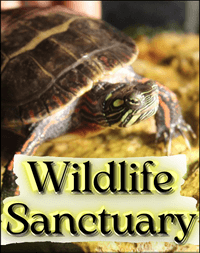
Inside the Center a small collection of live animals and animal mounts offer our visitors additional opportunities for learning. The live animals that reside in the Nature Center include snakes, turtles, frogs, and salamanders. To learn more about our native and non-native animals, click here or on the animals below:

Our thanks to James T. Dowling-Healey
for providing the fact sheets and many of the photographs for these animals